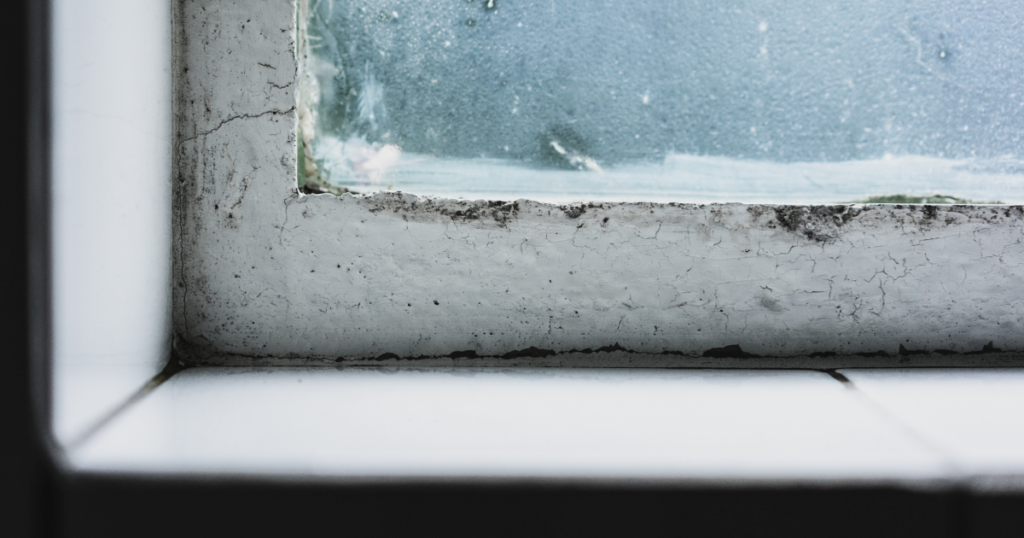
Buying a home is one of life’s most significant decisions, yet many buyers overlook a critical step: the property inspection. This essential process can reveal hidden issues that might turn your dream home into a costly nightmare. “Unlocking the Secrets: Your Ultimate Guide to Property Inspections for Home Buyers” is designed to empower you with the knowledge you need to navigate this often-overlooked aspect of home buying. Whether you’re a first-time buyer or a seasoned homeowner, understanding the ins and outs of property inspections can save you thousands and provide peace of mind. From what to expect during the inspection to how to interpret the findings, this comprehensive guide will equip you with the tools to make informed decisions and negotiate confidently. Don’t let surprises ruin your home-buying experience; instead, step into your new home with assurance and clarity. Let’s dive into the secrets that will help you become a savvy buyer! Unlocking the Secrets: Your Ultimate Guide to Property Inspections for Home Buyers Understanding Property Inspections: What Every Home Buyer Should Know When it comes to purchasing a home, the excitement of finding the perfect property can often overshadow the practical steps that ensure your investment is sound. One such crucial step is the property inspection. This process involves a detailed examination of the property’s condition by a professional inspector who identifies any existing or potential issues. Understanding property inspections is vital as it can reveal problems that are not immediately visible, such as structural issues, electrical faults, or plumbing defects. A thorough property inspection provides a clear picture of the home’s state, helping buyers make informed decisions. It involves evaluating the structural integrity, safety, and functionality of various components within the property. This step is not just about identifying what’s wrong, but also understanding the potential costs and efforts needed to fix any issues. For many buyers, especially first-timers, the inspection report can be quite detailed and technical, which is why having a basic understanding of what to expect can be incredibly helpful. Moreover, property inspections can influence the final negotiations of the home buying process. If significant problems are discovered, buyers have the leverage to request repairs or a price reduction. In some cases, depending on the severity of the findings, buyers may even reconsider their purchase. Therefore, knowing what a property inspection entails and how it fits into the broader picture of buying a home is essential for anyone looking to make a smart and secure investment. The Importance of Property Inspections in the Home Buying Process The significance of property inspections cannot be overstated in the home buying process. They play a pivotal role in ensuring that buyers are fully aware of what they are getting into. Without an inspection, buyers are essentially making a blind investment, which can lead to unexpected expenses and stress down the line. A property might look perfect on the surface, but hidden issues could be lurking that only a professional inspector can uncover. One of the primary reasons property inspections are so important is that they protect buyers from potential financial burdens. Identifying issues such as mold, termite damage, or foundation problems before finalizing the purchase can save thousands of dollars in repair costs. Furthermore, it allows buyers to budget for any necessary repairs and maintenance, making the financial planning process more accurate and less stressful. Property inspections also provide peace of mind. Knowing that a professional has thoroughly examined the property and found it to be in good condition can alleviate anxiety and build confidence in your purchase. This is particularly important for first-time buyers who may already be feeling overwhelmed by the complexities of buying a home. By conducting a property inspection, buyers can proceed with their purchase with a clear understanding of the property’s condition, making the entire home buying experience more transparent and less risky. Key Components of a Property Inspection A comprehensive property inspection covers several key components that collectively provide a complete picture of the property’s condition. Understanding these components can help buyers know what to expect and ensure that no critical area is overlooked during the inspection. The first key component is the structural integrity of the property. This includes examining the foundation, walls, roof, and framing to ensure they are sound and free from significant defects. Any issues in these areas can be costly to repair and may affect the overall stability of the home. Inspectors look for signs of cracks, water damage, and other indicators of structural problems that could compromise the safety and longevity of the property. Next, the inspection will cover the major systems within the home, such as electrical, plumbing, and HVAC (heating, ventilation, and air conditioning) systems. These systems are crucial for the functionality and comfort of the home. Inspectors will check for any faults, outdated components, or potential hazards that could pose safety risks or require expensive repairs. Ensuring these systems are in good working order is essential for the home’s livability and energy efficiency. Finally, the inspection will include an evaluation of the property’s exterior and interior features. This includes checking the condition of the roof, gutters, windows, doors, and exterior walls, as well as the interior elements like flooring, walls, ceilings, and appliances. Inspectors will also look for signs of water damage, pest infestations, and other issues that could affect the home’s condition and value. By thoroughly examining these key components, a property inspection provides a detailed assessment that helps buyers make informed decisions. Common Issues Found During Property Inspections During property inspections, certain issues frequently arise, some of which can be more serious than others. Knowing what these common problems are can help buyers understand the potential areas of concern and be better prepared to address them. One of the most common issues found during property inspections is water damage. This can result from various sources, such as roof leaks, plumbing leaks, or poor drainage around the property. Water damage can lead to mold growth, structural damage, and other costly repairs.